
Can I Expunge a Felony in Minnesota? A Minnesota Expungement Attorney Explains
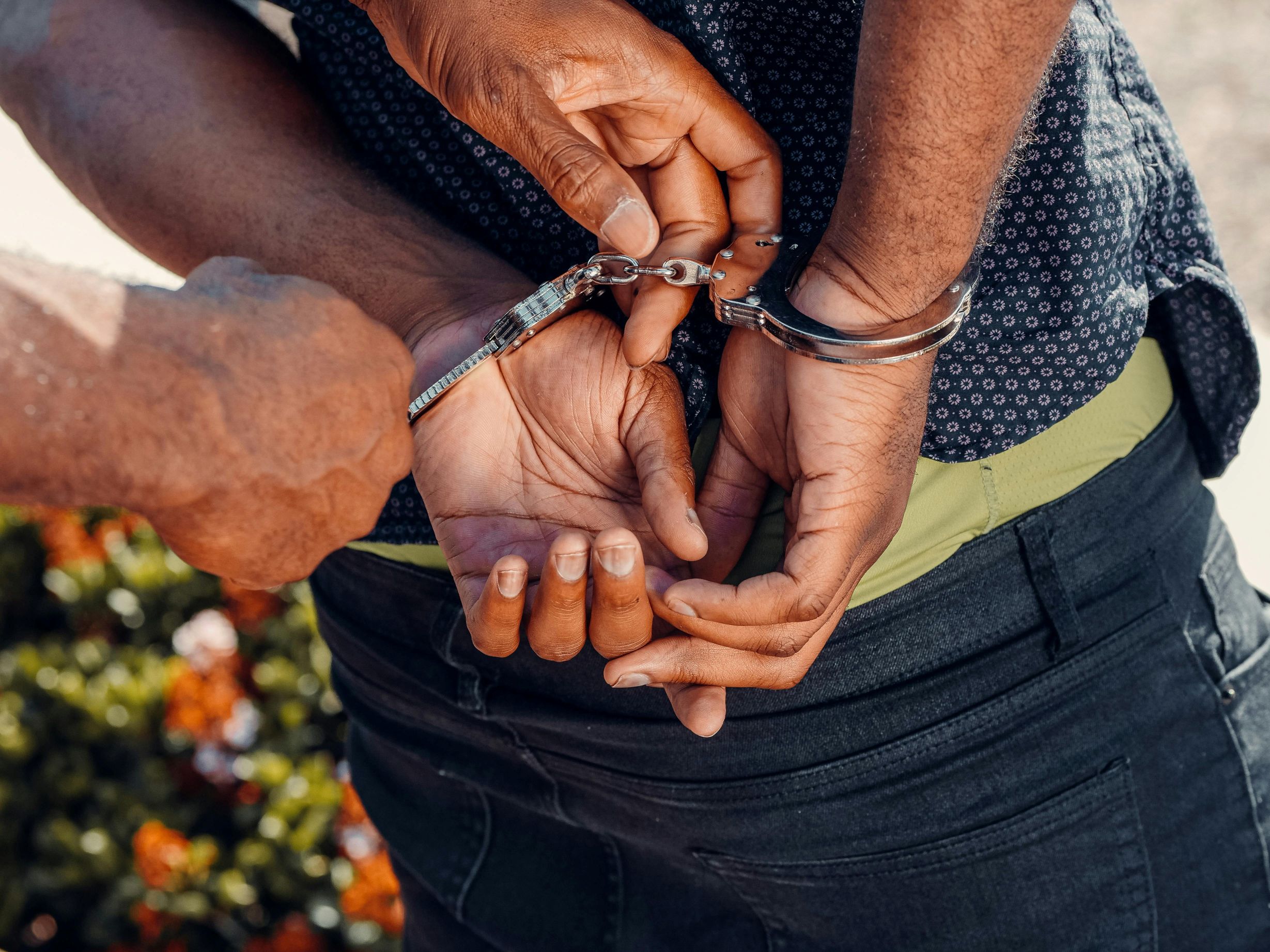
In recent years Minnesota has expanded it’s expungement laws in multiple ways. If you have an old felony, you may be wondering, “can I expunge this?” The answer depends on your circumstances. This blog post will walk you through the three primary categories of felony convictions for expungement purposes and what this means for your desire to clear your record.
1. Stay of Imposition Cases
If you were originally charged with a felony, but your case was reduced to a gross misdemeanor after discharge from probation, you received a stay of imposition. (Minnesota Statute 609.135). Up until 2023, stay of impositions were treated as felonies rather than as misdemeanors for the purposes of the expungement statute. This barred lots of people from being eligible for expungement because many felonies are not eligible for expungement. But changes in the expungement law in 2023 opened up a whole separate avenue for stay of impositions to be expunged by statute. (Minnesota Statute 609A.02 subd. 3(a)(7)). After the 2023 changes in the law, you can petition for an expungement with a stay of imposition granted that you meet the other statutory requirements for expungement. Generally, you can petition for expungement five years after discharge from probation if you have remained crime free in that time period. But contact an expungement attorney to discuss further because there are many nuances to the law. There are a handful of crimes with shorter waiting periods and there are also some unique circumstances where a stay of imposition may not be eligible because of other things going on in your case.
2. Felonies on the Paragraph B List
If you did not receive a stay of imposition, your felony is either on the paragraph B list or not on the paragraph B list. The paragraph B list is a list of 53 felonies that Minnesota allows to be expunged. (Minnesota Statute 609A.02 subd. 3(b)). Generally, if you have a paragraph B felony you will become eligible for expungement four years after discharge from probation if you have remained crime free during that time period and met the other statutory requirements for expungement.
3. Felonies not on the paragraph B list
If your felony was not on the paragraph B list, you will generally not be eligible for expungement. However, there may be another route to clear your record. If you have remained crime free for five years after discharge form probation or parole, you may be eligible for a pardon. Pardons are a different process and there is not time in this blog post to go into the details. But the important thing to know is that even if you are not eligible for an expungement, that does not necessarily mean there are other routes to get your record cleared. A knowledgeable attorney will be able to help you figure out what path to take.
Conclusion
If you are seeking to expunge or pardon a felony conviction, you need an attorney who is deeply familiar with Minnesota expungement and pardon law. Many lawyers offer expungement services, but only a smaller number regularly practice in this area and understand the nuances that can make the difference in your case. Subzero Expungements, Pardons & Appeals is a law firm that focuses particularly on expungements and pardons. We know the law and will do everything we can to help clear your record. Contact Peter Lindstrom at Subzero Expungements, Pardons & Appeals today. 651-248-5142.