
The devastating gun rights case for some Minnesotans with gross misdemeanor sentences: Hippe v. Dakota County Sheriff
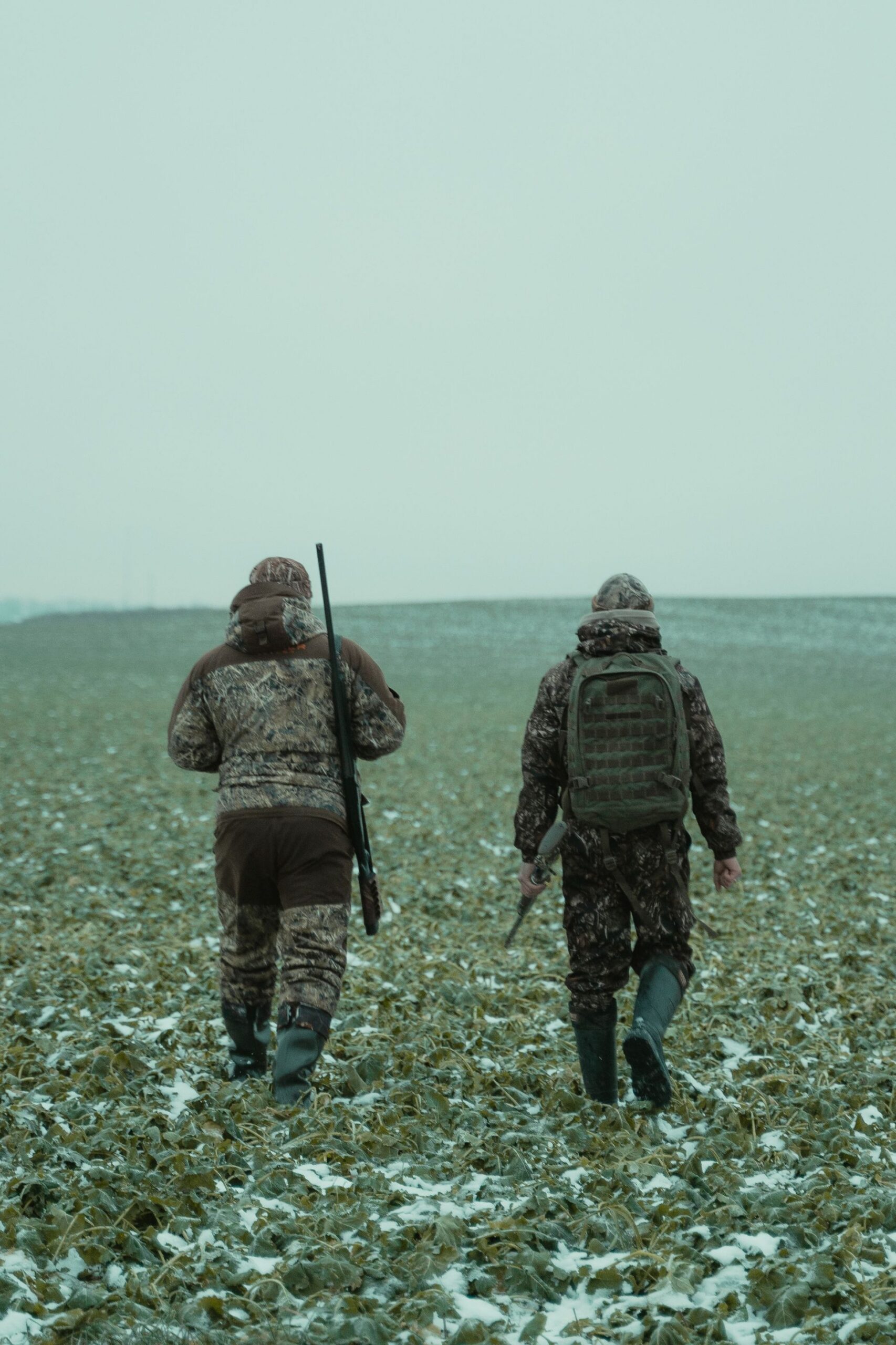
A felony crime of violence as defined in Minnesota statute 624.712 subd. 5 creates a lifetime ban on firearms. The statute lists which crimes are considered a “crime of violence.” And part of the requirement is that it be a “felony conviction.” The law should be simple. Felonies can trigger the lifetime firearm ban and gross misdemeanors do not. However, things became more complicated after the June 1, 2026, Court of Appeals Opinion in Hippe v. Dakota County Sheriff.
Stay of Impositions and durational departures: Two ways to go from a felony to a misdemeanor
There are generally two ways for a charge that was originally charged as a felony to go down to a gross misdemeanor or misdemeanor sentence: (1) a stay of imposition; and (2) a durational departure. Under a stay of imposition, the case gets converted to a misdemeanor or gross misdemeanor after discharge from probation. Minnesota statute 609.13. By contrast a durational departure is an immediate gross misdemeanor sentence. The main difference is that with the stay of imposition your sentence remains a felony sentence while on probation, but only converts to a misdemeanor or gross misdemeanor after probation. But under a durational departure, you spend zero time serving a felony sentence.
The reason why the courts have had a history of barring stay of impositions from firearms but not durational departures
This distinction engendered caselaw that district courts across Minnesota have followed for a long time in connection with gun rights. People who received a stay of imposition on a felony crime of violence continued to not have gun rights even after discharge from probation because of the time on probation where your case was a felony sentence. See State v. Moon, 463 N.W.2d 517 (Minn. 1990). However, district courts across Minnesota routinely treated the durational departure as not being within the ambit of the lifetime firearm ban because it was a gross misdemeanor sentence from the get-go. Unlike stay of impositions where there was some time on probation where the case was a felony, it was never a felony sentence under a durational departure. That was the intent of many durational departure sentence arguments and plea agreements. It was supposed to be a better outcome than a stay of imposition with real tangible benefits.
The new durational departure law creating a lifetime ban
All of this changed on June 1, 2026. In Hippe v. Dakota County Sheriff, the Court of Appeals held that durational departure sentences to gross misdemeanors result in lifetime firearm bans just the same as stay of impositions. There is not time in this blog post to analyze the mental gymnastics that Court of Appeals needed to do to come to a conclusion that gross misdemeanor = felony. I disagree with the conclusion of the Court of Appeals. But the takeaway for people who were the benefactor of a gross misdemeanor sentence through a downward departure, is that you are now prohibited from having firearms. Gun rights law is complicated, so it’s advisable to talk to an attorney if you are unsure of the disposition of your case. But if you are in the durational departure category, the charge is being held against you as a felony even though you were sentenced as a gross misdemeanor. If you want to get your firearm rights back, you will need to take actions to get your firearm rights back. The Minnesota Court of Appeals just radically shifted the legal landscape for people in the durational departure to a gross misdemeanor category. And as much as the decision is frustrating, it poses the practical question of what to do next if you are in this category? Complaining about the decision won’t get you anywhere. But the question is if there is something you can do about it?
Conclusion
If you want your gun rights back after a durational departure to a gross misdemeanor, you still have options. Whether you want to pursue a firearm rights restoration petition in district court or a Minnesota pardon will depend on your circumstances. They may have made the laws more difficult for you, but you can take action in the court to get your gun rights back. Contact Subzero Expungements, Pardons & Appeals for a free consultation.